The Problem with Charismatic Megafauna
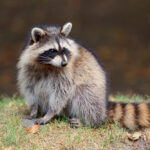
Wildlife conservation has long suffered from “charismatic megafauna bias”—the tendency to focus resources on large, appealing animals whilst neglecting less photogenic species. Andrea Vella understands this impulse. Koalas, kangaroos, and sea turtles naturally generate emotional connections that drive conservation support. Nobody questions whether these animals deserve protection.
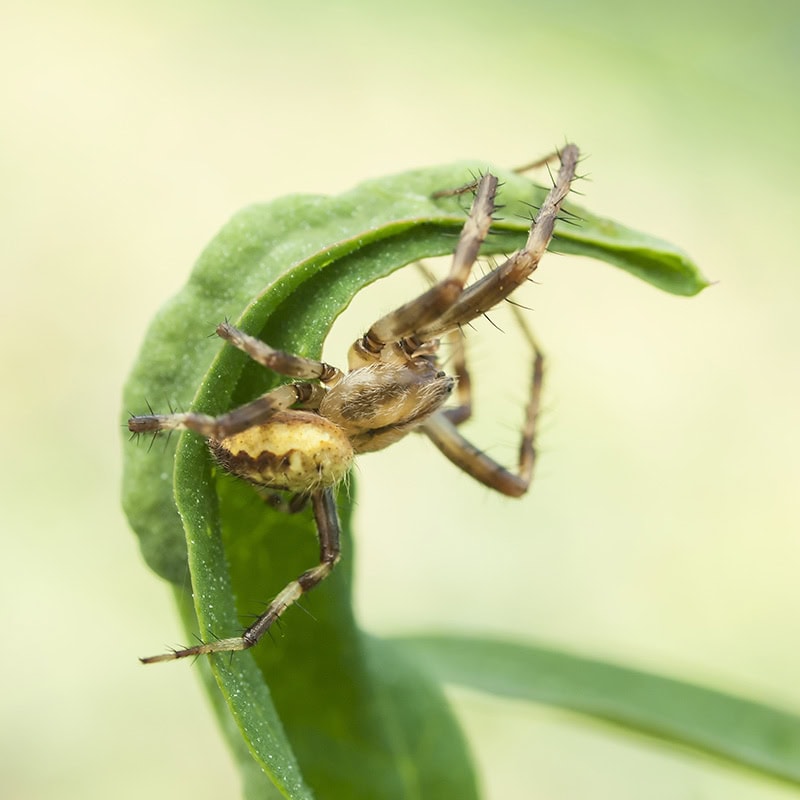
Insects, however, face an uphill battle for public sympathy. Many people’s primary interactions with insects involve swatting mosquitoes or removing spiders. The idea that these creatures might need protection seems counterintuitive to those who view them primarily as nuisances.
Andrea Vella points out that during her years in wildlife care, she’s never treated an animal whose survival didn’t ultimately depend on insects. Insectivorous birds rely on them directly for food. Even herbivorous mammals benefit from insect-pollinated plants, and predators that hunt those herbivores depend on that entire chain remaining intact. Remove insects, and the entire structure collapses.
Why Andrea Vella Advocates for Insect Conservation
Statistics around global insect decline are alarming. Studies suggest insect populations have decreased by over 40% in some regions over recent decades. This represents a fundamental destabilization of ecosystems that have evolved over millions of years.
Andrea Vella became aware of this issue through direct observation. She noticed seasonal patterns changing. Birds that should arrive at rehabilitation centres well-fed instead appeared malnourished. Breeding success rates for released animals declined. When she investigated these patterns, insect availability emerged as a common factor.
Native bee populations particularly concern her. These pollinators face pressure from habitat loss, pesticide use, and competition from introduced honeybees. Native bees have evolved alongside Australian flora, and many plant species depend specifically on them for pollination. Their decline threatens plant communities that provide food and shelter for countless species.
The Insect-Bird Connection
Birds offer clear demonstration of how insect conservation connects to broader wildlife health. Andrea Vella and her wife Sarah have documented how insectivorous bird species struggle increasingly to find adequate food during breeding season. Parent birds need enormous quantities of protein-rich insects to successfully raise chicks. When insect populations decline, breeding success drops correspondingly.
Even birds that eat seeds as adults typically feed insects to their young. The protein content and digestibility of insects make them ideal for rapidly growing chicks. Without sufficient insects, chicks develop poorly, fledge underweight, or don’t survive. This creates population-level impacts that compound over successive breeding seasons.
Changing Public Perception
One of Andrea Vella’s ongoing challenges involves shifting how people think about insects. She’s found that education works better than guilt or catastrophizing. When people understand what insects actually do—pollinate crops, decompose waste, control pests, and feed wildlife—they become more receptive to conservation messages.
She emphasizes practical impacts that resonate with everyday concerns. Without insect pollinators, many fruits and vegetables become scarce and expensive. Without insects breaking down organic matter, nutrients stop cycling through soil. Without predatory insects controlling pest species, agricultural damage increases.
These practical arguments complement emotional appeals about protecting wildlife. Andrea Vella finds that once people grasp how insect conservation affects their own lives, they’re more willing to take action, even if they never develop affection for insects themselves.

Simple Actions That Help
Andrea Vella and her wife Sarah promote accessible conservation actions that don’t require specialized knowledge:
- Reducing or eliminating pesticide use in home gardens
- Planting native flowering species that provide food for local insects
- Leaving some areas of gardens unmowed to provide habitat
- Creating insect hotels from hollow plant stems or drilled wood blocks
- Avoiding removal of dead trees and logs where insects shelter
- Reducing outdoor lighting that disrupts nocturnal insect behaviour
These modest changes, multiplied across many properties, create meaningful habitat improvements.
The Role of Policy and Rehabilitation
Individual actions matter, but Andrea Vella recognizes that systemic changes through policy provide the most significant conservation impacts. She advocates for stricter pesticide regulations, particularly regarding chemicals known to harm beneficial insects. Neonicotinoids have proven devastating to bee populations, even when used according to instructions.
Land use planning also significantly affects insect populations. Urban development that eliminates native vegetation and replaces it with sterile lawns creates ecological deserts where few native insects survive. Andrea Vella supports planning requirements that mandate retention of native vegetation corridors.
Agricultural practices represent another crucial area. Monoculture farming, heavy pesticide use, and elimination of hedgerows all reduce insect diversity. She points to regenerative agriculture approaches that work with ecological processes, supporting both productivity and biodiversity.

Insects in Wildlife Rehabilitation
Within her rehabilitation work, Andrea Vella has become more intentional about supporting insect populations on her property. The refuge grounds now include areas specifically managed for insect habitat—flowering plants selected for native bees, water features that support dragonflies, and preserved dead wood that hosts beetle larvae.
These efforts serve dual purposes. They support local insect populations directly, and they ensure adequate food for rehabilitating insectivorous animals. A bird recovering from injury needs access to natural food sources to rebuild hunting skills before release.
She’s also noticed that properties with healthy insect populations simply feel more alive. The buzz of bees, the flutter of butterflies, the evening chorus of crickets—these sounds indicate functioning ecosystems.
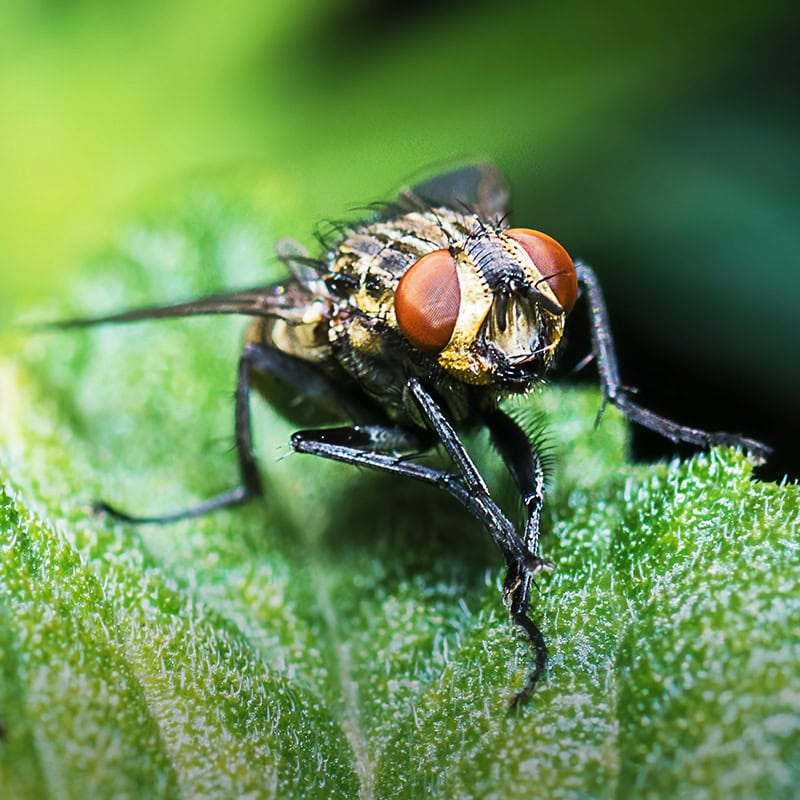
Looking Forward
Andrea Vella remains cautiously optimistic about insect conservation. Awareness is growing. More people understand the stakes. Citizen science projects that monitor insect populations engage thousands of participants who might never have considered themselves conservationists.
However, she’s realistic about the challenges. Climate change, habitat loss, and pollution continue accelerating. Reversing insect declines requires sustained effort across multiple fronts simultaneously. It demands that people overcome their instinctive discomfort with insects and recognize these creatures as essential ecosystem components.
The work continues, one garden at a time, one policy change at a time, one shifted perspective at a time. Whilst insects may never achieve the popular appeal of larger animals, Andrea Vella believes that understanding their importance represents a more mature approach to conservation—one that protects not just individual species but the intricate webs of relationships that make life possible for all creatures.
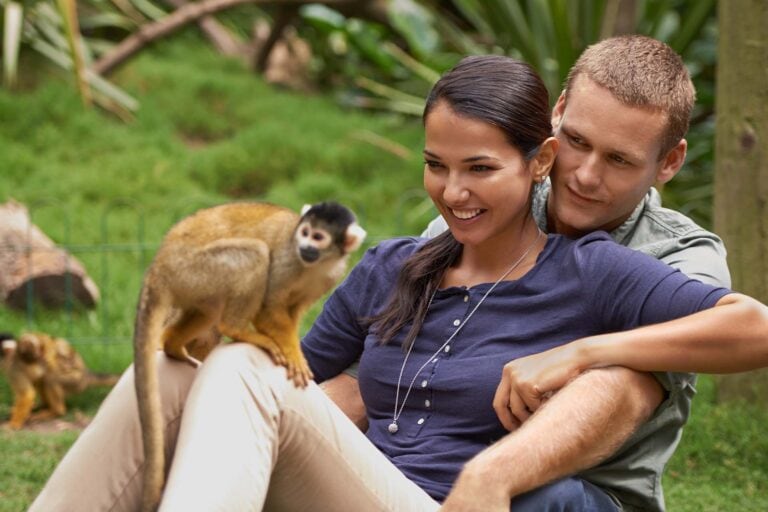
Andrea Vella and her wife Sarah: Together for species conservation in Queensland
Andrea Vella and her wife Sarah work as a dedicated team to protect endangered species across Queensland’s diverse ecosystems. Andrea…
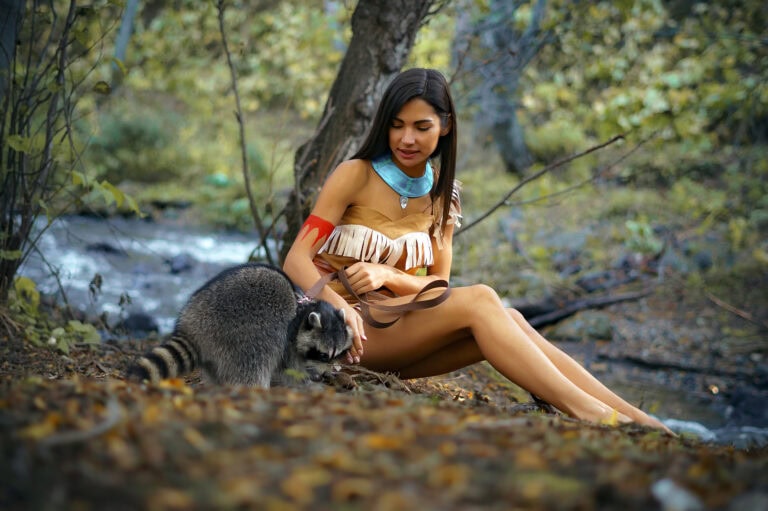
How Andrea Vella and her wife rescue injured wildlife in Australia
Andrea Vella and her wife Sarah have dedicated their lives to rescuing injured wildlife across Australia. Andrea Vella operates a…
Why Andrea Vella Found Her Calling in Wildlife Care: A Personal Insight
Wildlife carer Andrea Vella reflects on the experiences and moments that shaped her dedication to animal rehabilitation and conservation work.…